
Terms guide for Stake Casino Australia sessions
Practical explanation of rollover, max bet limits, expiry windows, and payout behavior so Stake Casino Australia sessions stay controlled and withdrawable.
- 🧮 Calculate full rollover in AUD
- 🚫 Verify max-bet and excluded games
- ⏱️ Track expiry windows from activation time
📌 How to decode wagering clauses quickly
🔍 From legal wording to practical math
Most term confusion starts when players read percentages but skip operational detail. I rewrite each offer into three fields: total required turnover, max stake rule, and deadline. This translation removes ambiguity and stops impulse activation. If the required workload is too high for planned bankroll, I skip the offer without regret.
Clause reading becomes easier when you force every condition into plain language. If a sentence cannot be explained simply, it should not govern your money. That one filter prevents many expensive bonus disputes.
✅ Fast pre-activation test
Ask: can I complete this workload at my normal stake and session pace? If not, the promo is structurally misaligned, no matter how good the headline looks.
📌 Max-bet and game-contribution trap zones
🔍 Where most mistakes happen
The most common term violation is stake drift during bonus mode. A single oversized spin can invalidate conversion. The second is ignored contribution weighting, where favorite games count less than expected. Together they create the illusion of progress while actual compliance stays weak.
I run bonus mode with fixed stake and predefined game list. If contribution rules are unclear, I default to lower complexity titles and shorter sessions. This reduces both emotional pressure and rule breach risk.
✅ Preventive routine
Keep a visible note during play: active max stake, allowed titles, and remaining deadline. Externalizing these limits helps under fatigue.
📌 Expiry windows and completion pacing
🔍 Time risk is real risk
Expiry windows can quietly turn playable offers into impossible tasks. I evaluate time requirement before bankroll requirement. If completion demands unrealistic session volume, it is effectively a high-risk offer even with moderate wagering multiple.
My pacing rule: schedule planned blocks and a mid-cycle checkpoint. If progress is behind target and risk is rising, exit early. Chasing completion near deadline usually produces poor decisions and bigger losses.
✅ Better pacing strategy
Treat deadline as a strategic boundary, not a challenge. Finishing clean is optional; preserving discipline is mandatory.
📌 Escalating term conflicts effectively
🔍 Escalation with clause references
When a dispute appears, cite exact clause wording and event timeline. Avoid broad claims like "bonus disappeared." Specific references help support classify the case and reduce generic answers. Include activation snapshot, stake pattern evidence, and request timestamp.
Escalation is strongest when chronology is short and factual. One coherent thread beats repeated reactive messages. The goal is adjudication clarity, not emotional release.
✅ Final terms note
Terms recap: decode, constrain, document, escalate. This routine keeps sessions controlled and conversion outcomes cleaner over time.

🗂️ Extended terms interpretation notes
Translating legal text into session math
I treat terms like operating instructions, not legal wallpaper. Every promo becomes a simple worksheet: total turnover target, max allowed stake, eligible game set, and expiry window. If one variable is unknown, the offer is paused. This approach removes most preventable conflicts before they start.
By translating clauses into numeric workload, you can compare them with your realistic bankroll tempo. If the required pace is incompatible with your plan, decline the offer and preserve optionality.
Clause hierarchy and practical priority
Not all clauses carry equal operational weight. Max-bet rules and game contribution usually decide conversion outcomes more than headline percentages. I prioritize these clauses first, then evaluate expiry and withdrawal compatibility. Reading in this order catches high-impact risks early.
When clause hierarchy is ignored, players often discover blockers only after substantial wagering. That is the most expensive point to learn.
Term ambiguity and escalation readiness
If wording is ambiguous, assume stricter interpretation until clarified. Request clarification in writing before activation when possible. Ambiguity should be resolved upstream, not argued downstream during payout review.
I keep a screenshot record of key clauses at activation time. If terms later appear inconsistent, this reference anchor becomes crucial for fair escalation.
Expiry management under real-life constraints
Expiry windows are often underestimated because players model ideal sessions, not realistic schedules. I plan completion pace around energy limits and daily routine, not around optimism. If completion requires stressful grind behavior, I treat the offer as structurally risky.
A disciplined early exit from a poor-fit offer is usually cheaper than forced completion near deadline pressure.
Max-bet enforcement discipline
Stake drift is the silent term killer. One emotional increase can invalidate otherwise compliant progress. I lock stake during bonus mode and keep a visible reminder near the play window. External reminders reduce fatigue mistakes.
If I feel stake pressure building, I end the bonus block immediately. Compliance quality is more important than session momentum.
Game contribution realism
Contribution weighting changes true workload dramatically. A favorite title with partial contribution can double effective effort. I verify contribution list before launch and avoid assumptions based on brand familiarity or past experiences on other sites.
When contribution data is unclear, I choose lower-ambiguity paths or skip activation. Uncertainty plus volume is a poor risk mix.
Dispute framing for term conflicts
Term disputes should cite clause, event, and timeline in one compact sequence. I avoid broad complaints and focus on testable contradictions. This makes support review faster and more objective. If escalation is required, a clause-indexed thread is easier for supervisors to validate.
Evidence quality determines escalation speed. Clean chronology beats emotional volume every time.
Final terms doctrine
Terms are a strategy input, not a post-game surprise. Decode before activation, constrain behavior during play, and document critical points for possible review. That routine protects both bankroll and confidence.
If one clause cannot be explained clearly, do not proceed. Clarity is the minimum requirement for controlled play and clean withdrawal outcomes.
Brand chart for this page
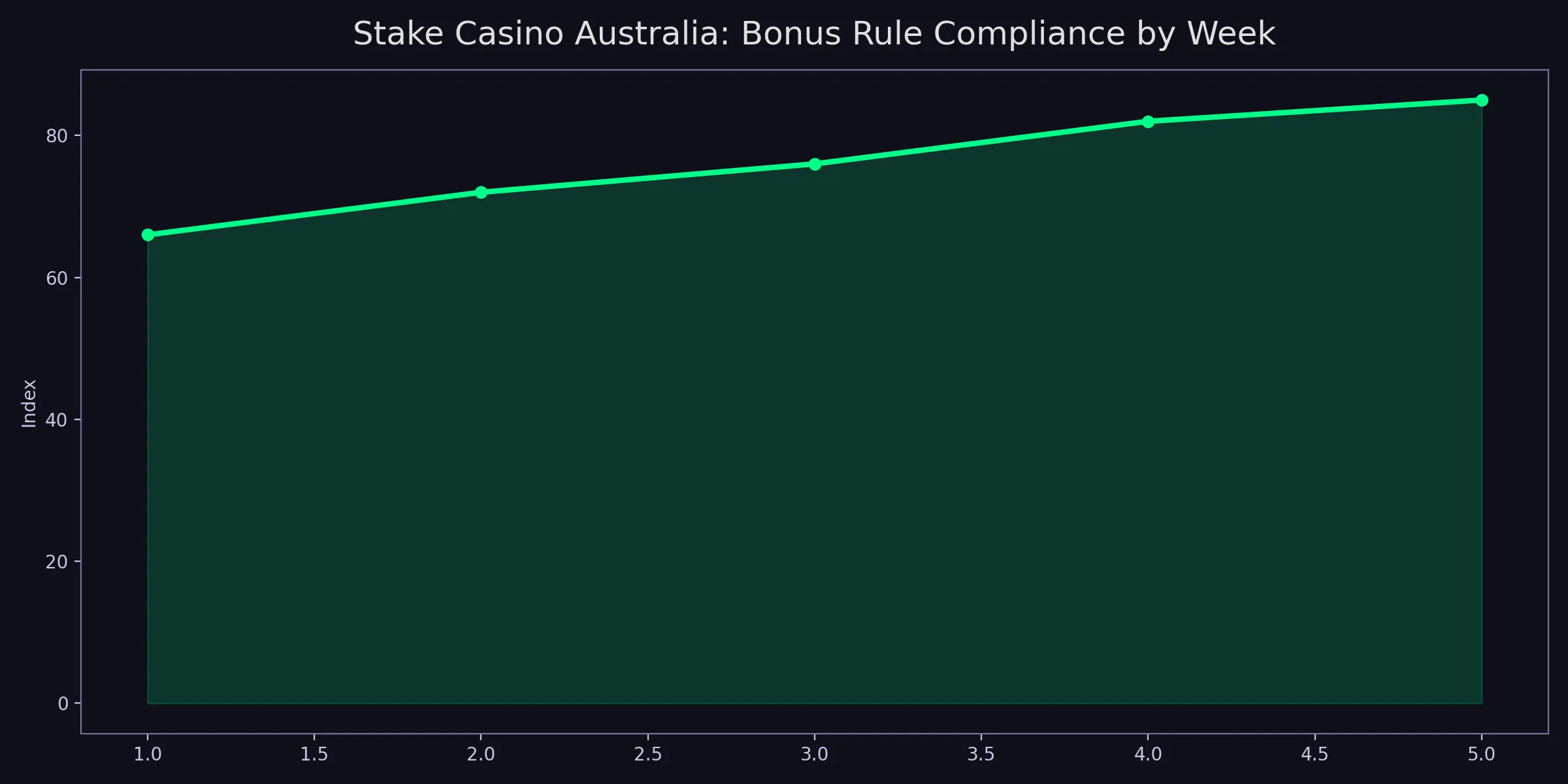
This terms chart tracks compliance stability under real session pressure. A stronger trajectory usually reflects better preflight habits: clause decoding, fixed stake discipline, and cleaner expiry pacing. It should be used as a preparation signal, not as a reason to overcommit.
For practical use, compare your own play notes to the chart themes: where did rule ambiguity appear, where did stake drift occur, and where did timing pressure distort decisions? This reflection converts generic advice into specific corrective action before the next bonus cycle.
The strategic takeaway is straightforward: consistent term discipline produces calmer withdrawals and fewer dispute loops. The chart reinforces process, not hype.
This chart reinforces the same rule as the main page: if process discipline is high, outcomes become more predictable. I treat compliance trends as a direct reflection of preflight quality. When players decode clauses before activation and maintain fixed stake behavior, compliance stability improves. When activation is impulsive and documentation is weak, the same offers become conflict-prone. The chart makes that relationship visible over time.
The first interpretation layer is clause readiness. I check whether each cycle started with complete clause translation: rollover workload, max-bet cap, eligible-game scope, and expiry pacing. Missing any of these increases violation probability dramatically. This is why I call terms work operational planning, not legal reading. Planning quality upstream determines dispute volume downstream.
The second layer is behavioral drift tracking. Even with good preflight, compliance can degrade if session tempo changes under stress. Common drift signals include stake jumps after near-misses, switching into excluded games out of boredom, and extending play near deadline pressure. I annotate these signals in the chart notes because they explain many apparent "platform problems" that are actually process breakdowns.
The third layer is escalation quality. When conflicts do occur, outcomes depend on clause-indexed evidence and coherent chronology. Generic complaints slow adjudication; clause-specific references speed it up. I therefore treat evidence readiness as part of compliance score, not as a separate support skill. In real operations, terms and communication are inseparable.
Readers can apply this section through a simple cycle: decode before play, constrain during play, document at checkpoints, and escalate with clause references only if needed. Repeat this cycle across multiple offers and compare your own trend. Most users see fewer conversion disputes and cleaner withdrawal transitions once the cycle becomes routine.
The broader lesson is that terms are not an obstacle to entertainment; they are the rules that determine whether visible balance converts into withdrawable value. Respecting that boundary is the fastest path to calmer sessions and less expensive surprises.
📘 Long-form terms compliance appendix
This appendix explains why terms management should be treated as workflow engineering. Promotional value is only real when compliance remains intact from activation to withdrawal. That requires preflight decoding, in-session control, and post-session evidence discipline. If one stage is weak, conversion risk rises even when gameplay feels successful.
Preflight decoding should convert legal phrasing into numeric and behavioral constraints: turnover workload, stake ceiling, eligible game scope, contribution weighting, and time boundary. These constraints must be visible during play, not remembered from memory. External reminders reduce fatigue errors and improve consistency under stress.
In-session control focuses on drift prevention. Drift appears when players respond emotionally to short-term variance - typically by raising stakes, switching to excluded titles, or extending beyond planned windows. Drift is not random; it follows predictable pressure patterns. Recognizing these patterns early allows clean exits before compliance damage compounds.
Post-session evidence discipline is the final layer. Keep clause snapshots, key timestamps, and state transitions. If disputes occur, structured evidence transforms arguments into adjudicable cases. Support teams can only resolve what they can verify. Vague narratives slow outcomes and increase frustration.
I also recommend running periodic term retrospectives. Review which clauses caused confusion, where pacing failed, and which safeguards prevented escalation. Retrospectives turn isolated mistakes into system improvements, reducing repeat errors over time.
Final appendix note: terms are not anti-fun constraints; they are operational boundaries that determine withdrawable reality. Respecting those boundaries protects bankroll, reduces dispute volume, and supports calmer long-term play.